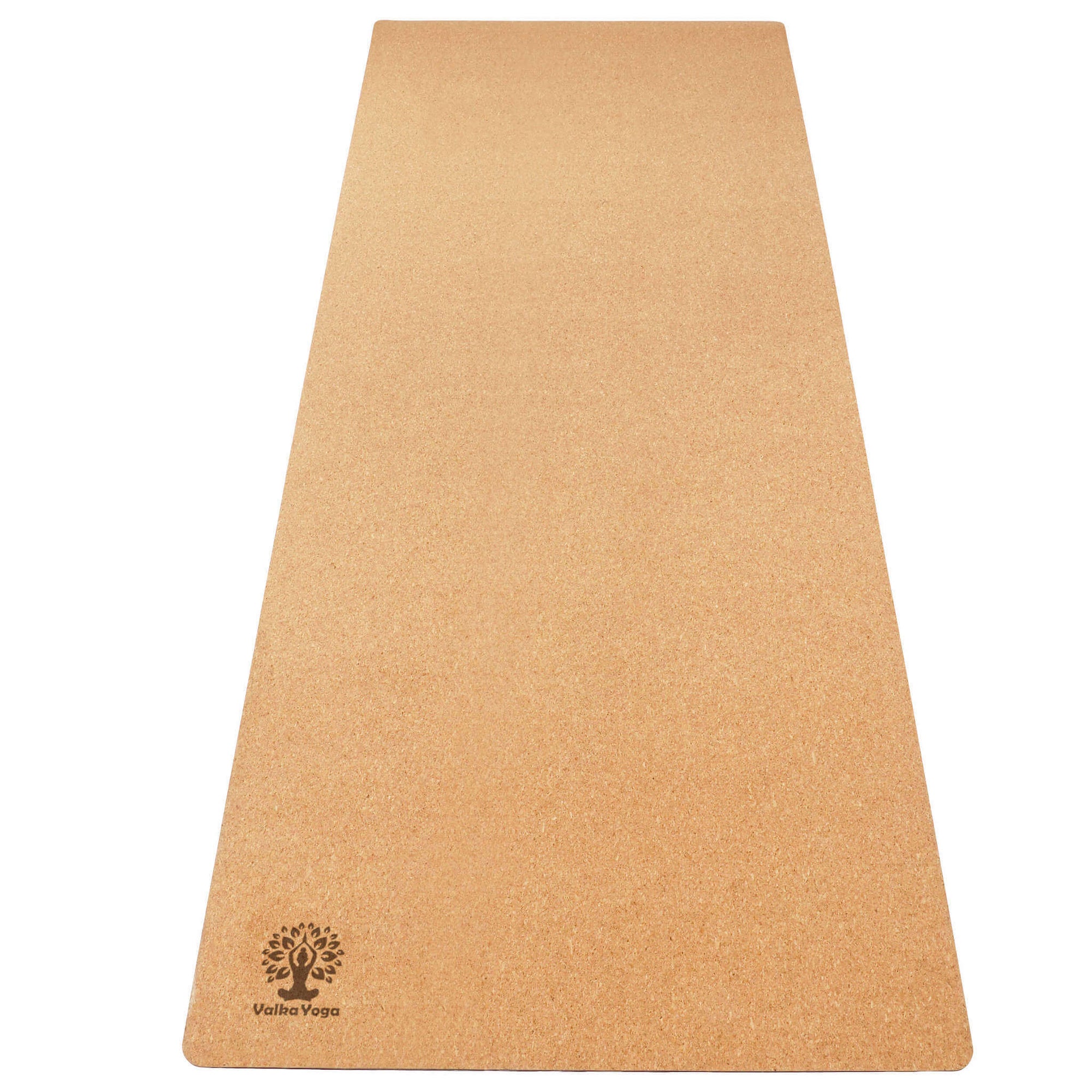
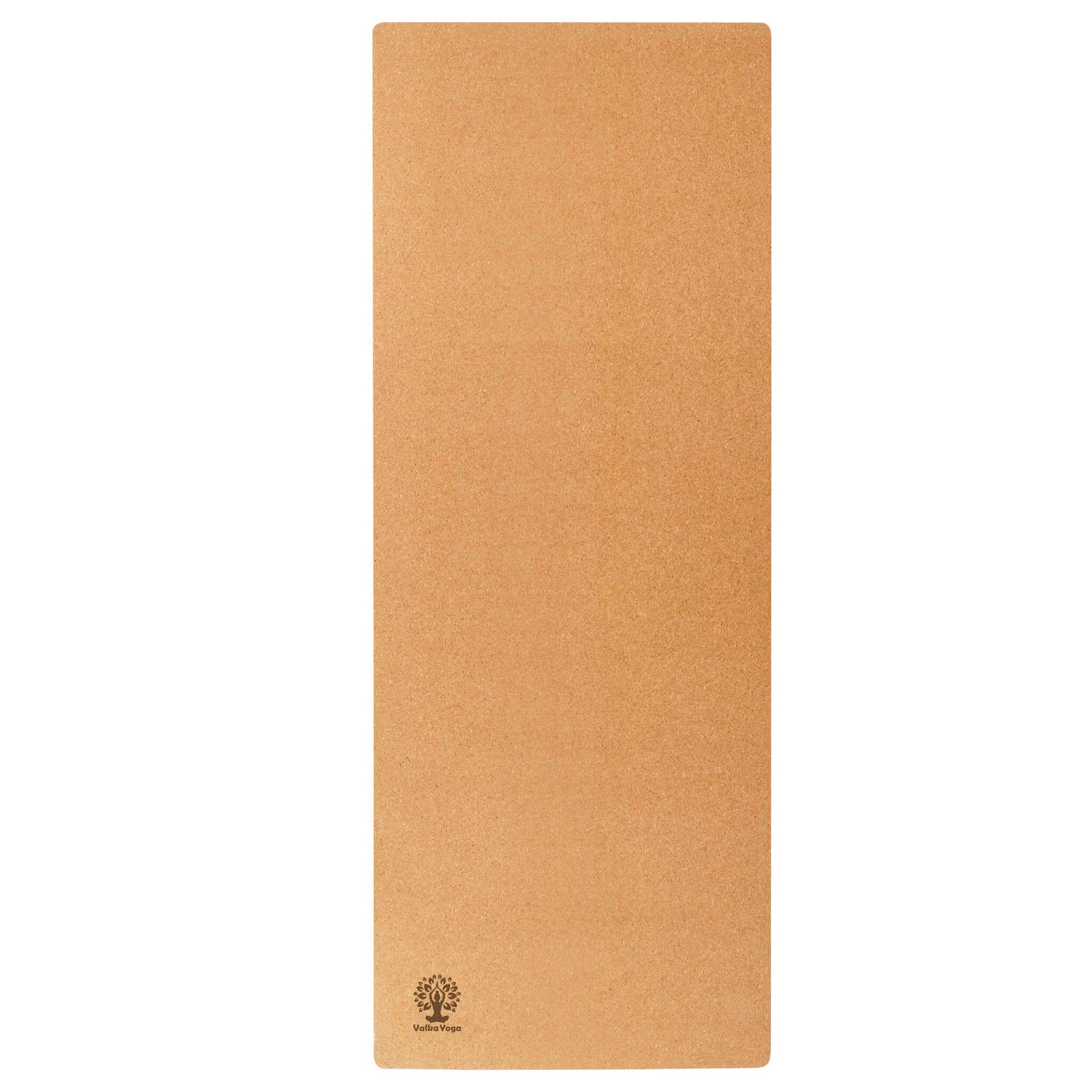
The Cork Yoga Mat
Top to bottom, our cork yoga mats are made from 100% renewable and recyclable material, harvested using one of the most environmentally friendly methods in the world.
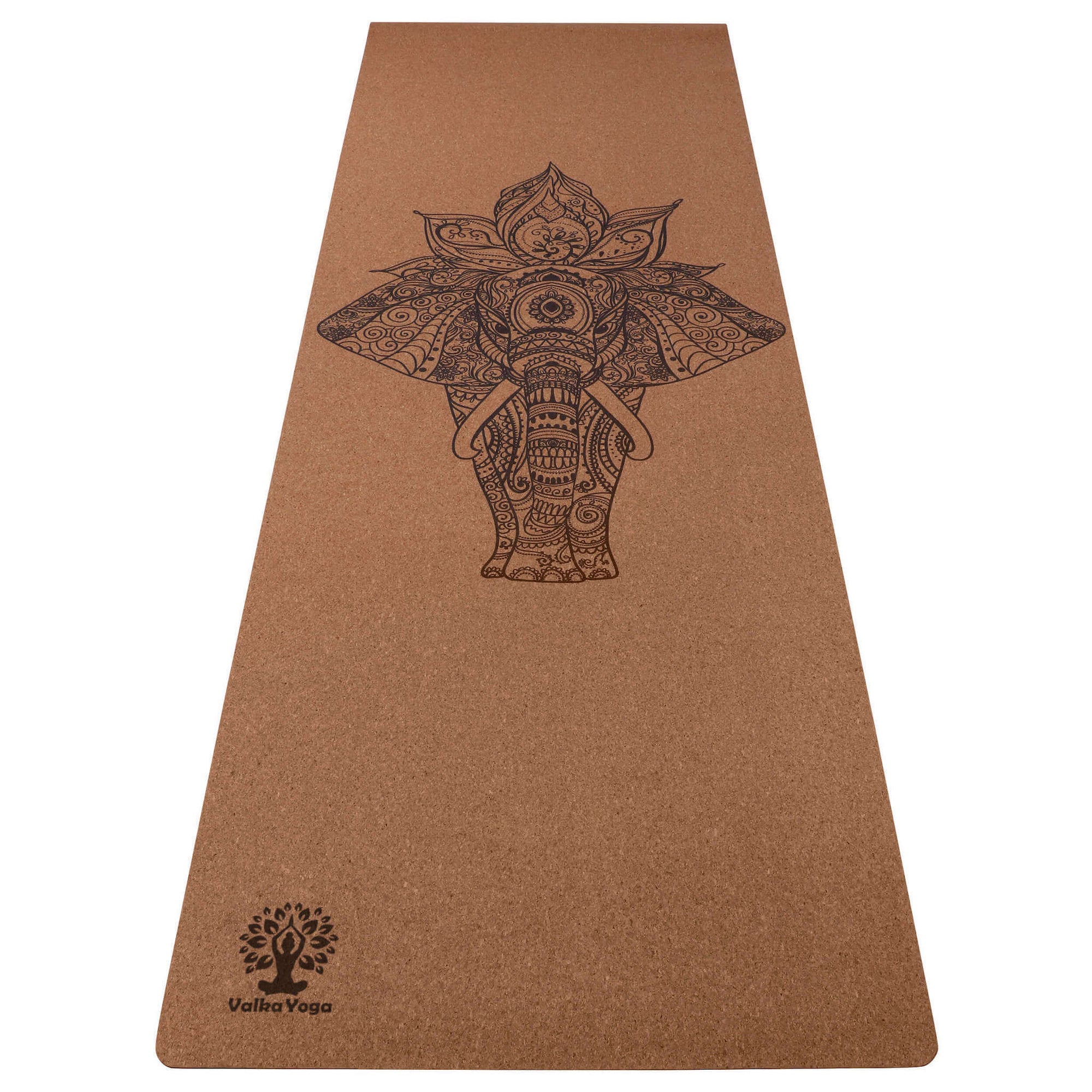
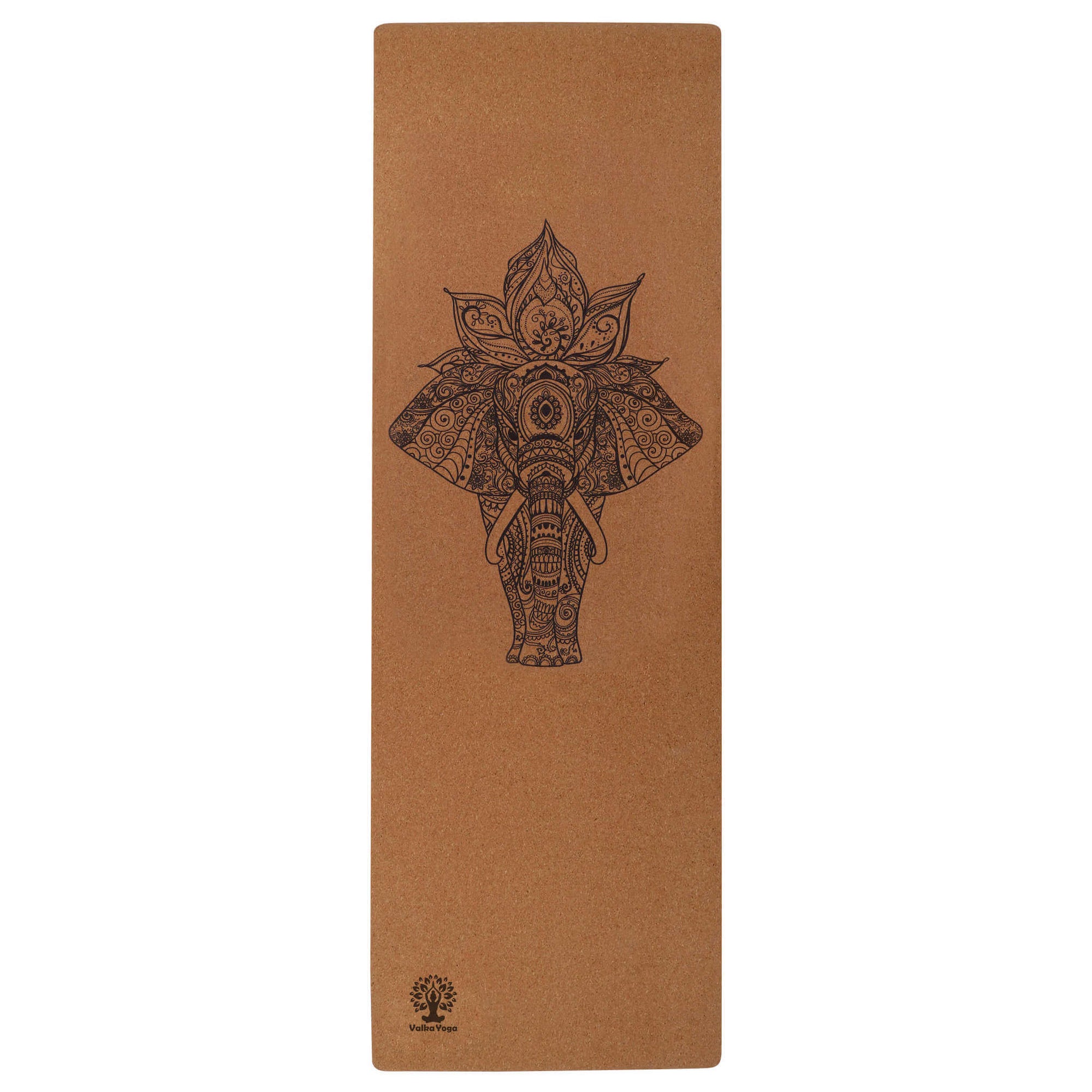
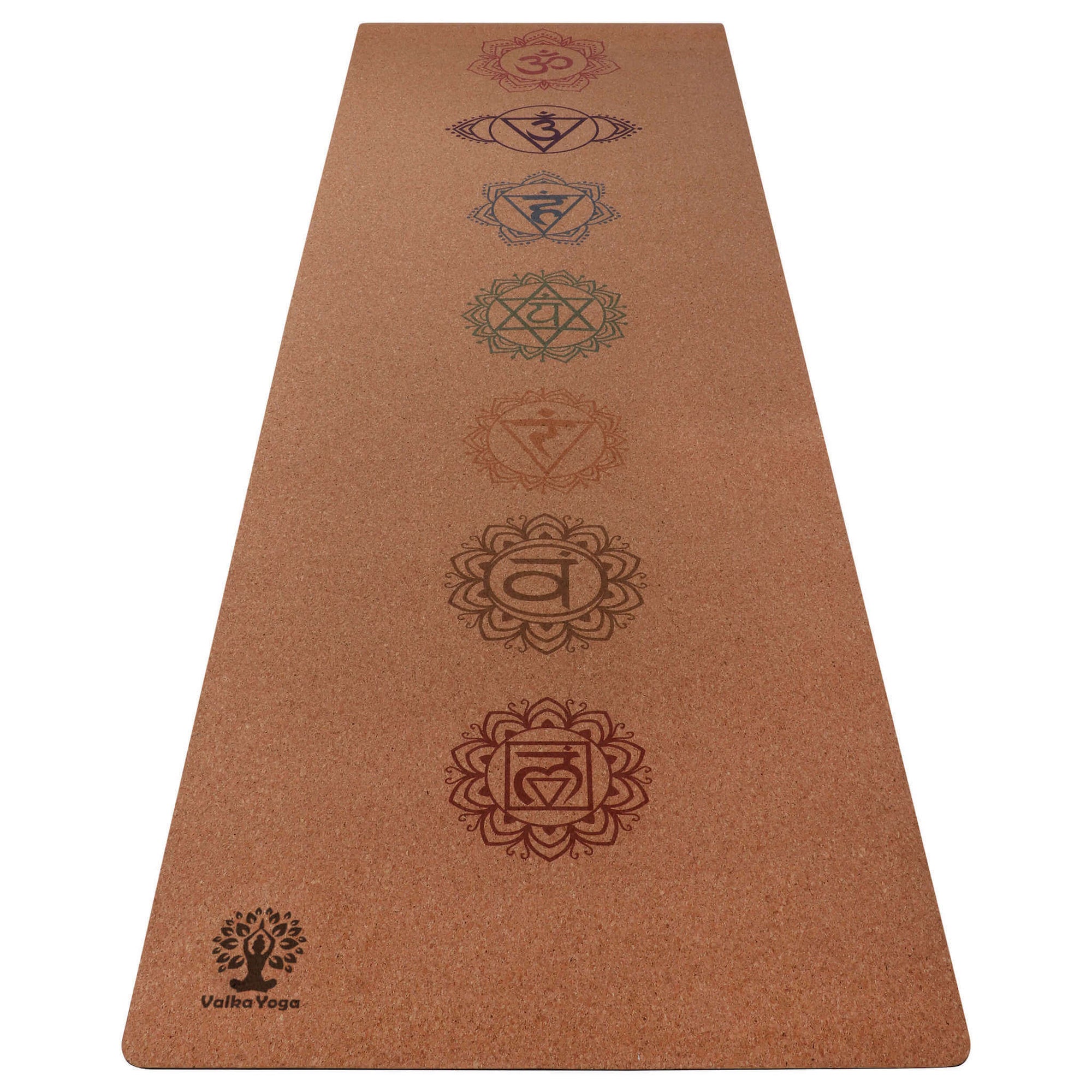
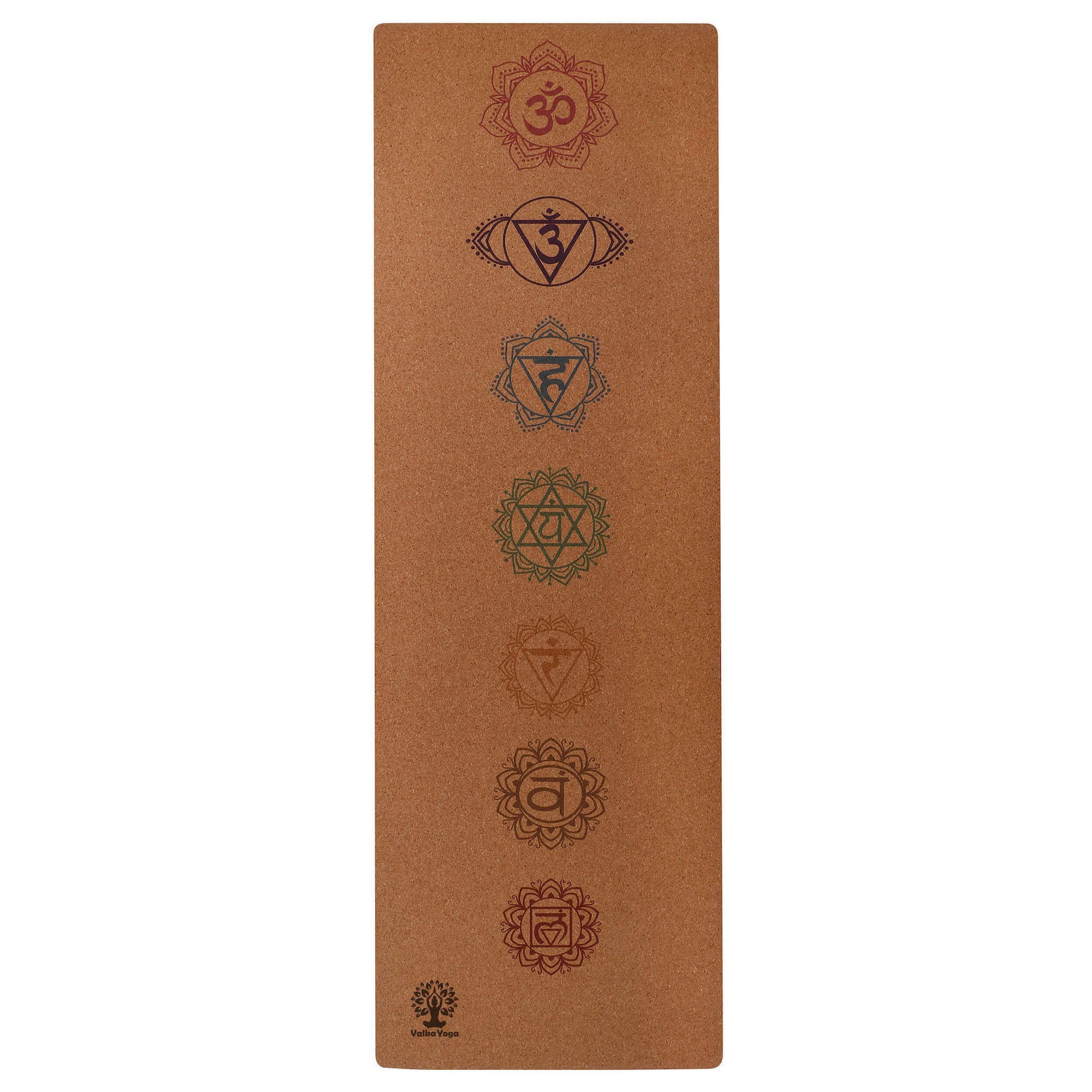
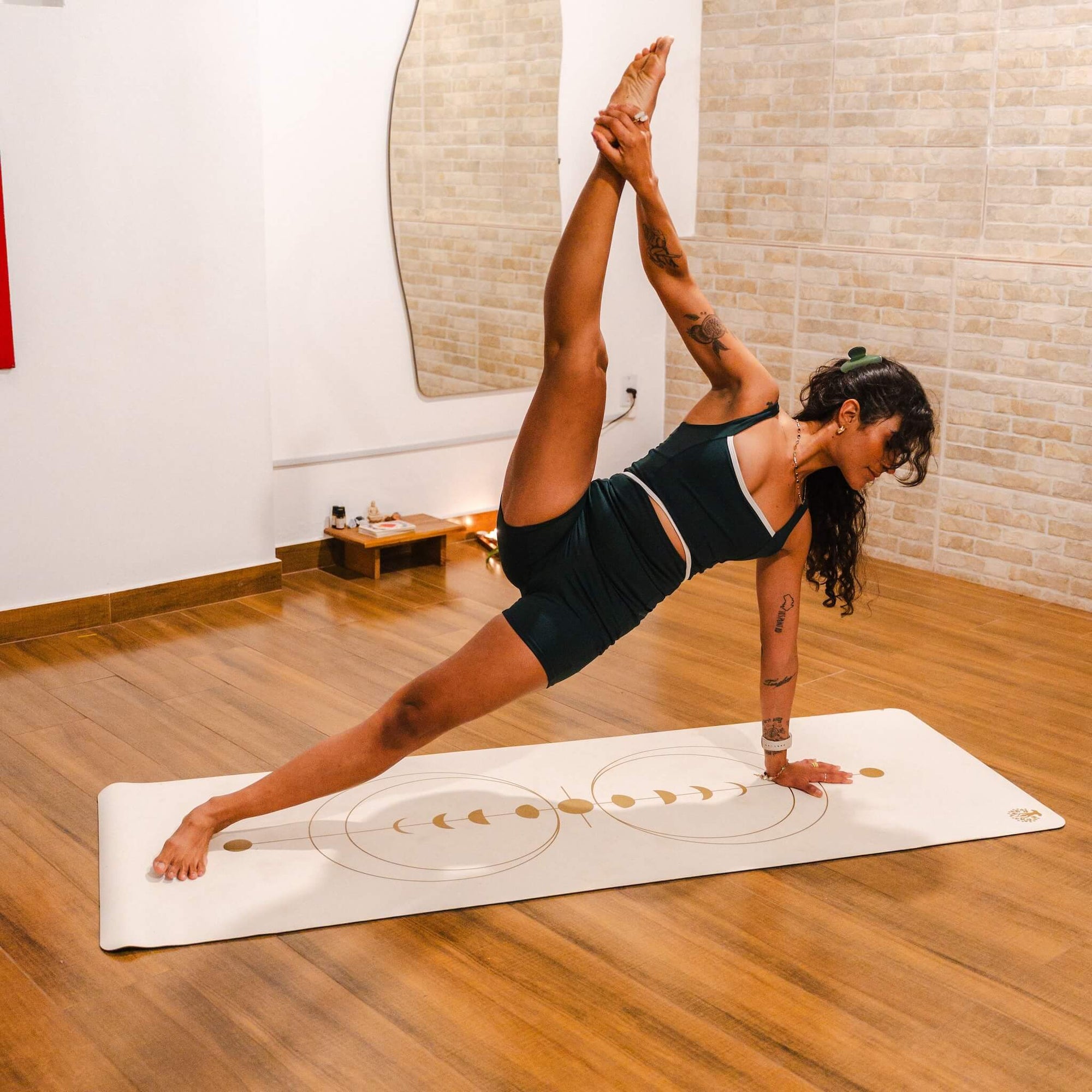
A heavy-duty natural rubber base is fused with high-quality cork for optimal grip, maximum comfort and zero sweaty smells. Each yoga mat is then printed with our own designs using eco-friendly ink, chosen to complement the natural, minimalist beauty of the cork.
The result is a yoga mat that's as good to look at as it is to flow on.
Curious about the material itself — where cork comes from, how it's harvested, and why it grips? Read the full story on our Why Cork page.
Which mat is right for you?
The signature yoga mats we make use the same cork surface and natural rubber base. What changes is thickness, length and portability — and that's really a question about how and where you practise.
If you practise hot, power or vinyasa
Printed Cork Yoga Mats
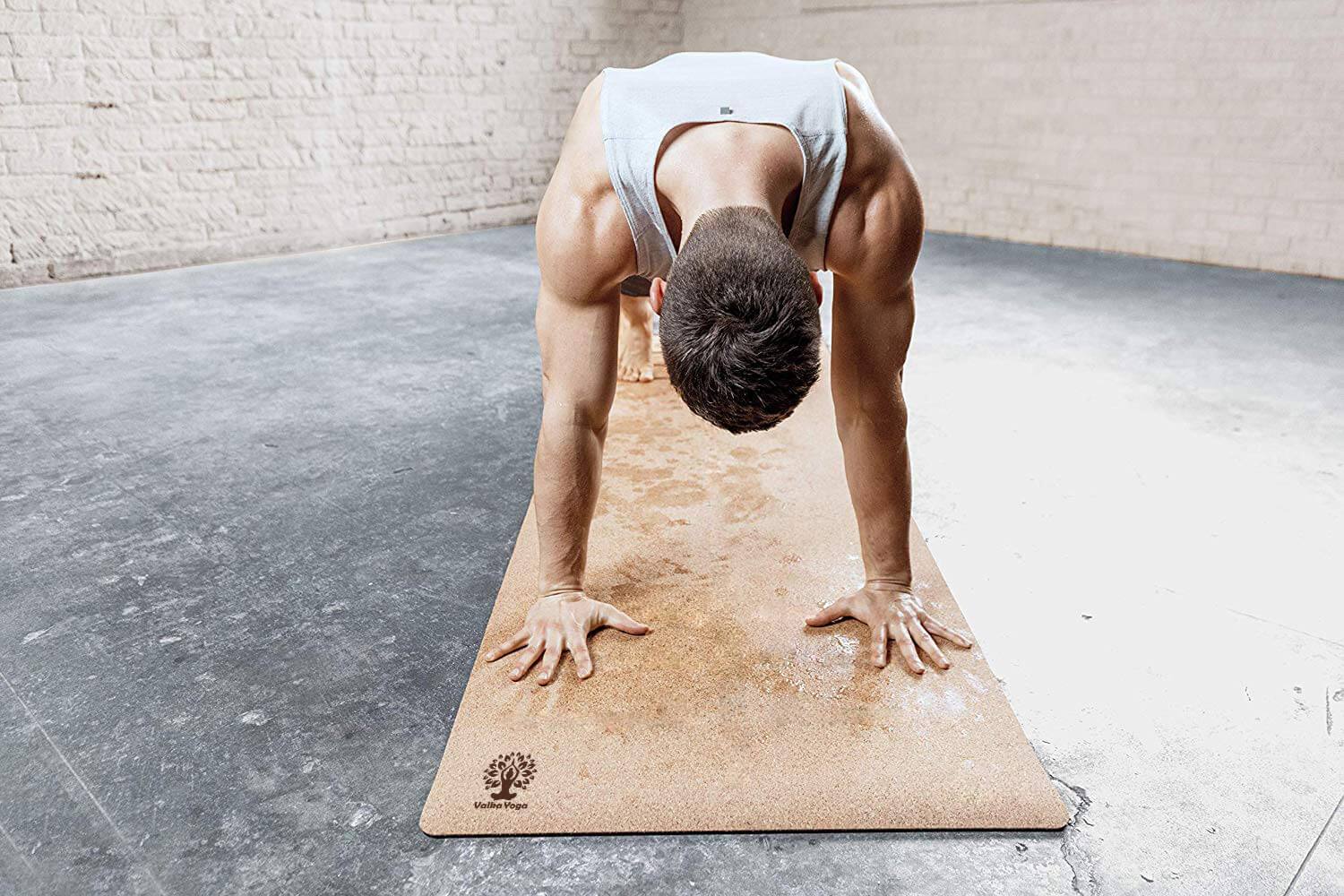
The standard 4mm yoga mat with a good balance of support and portability. Cork grips harder as it gets wet, so it's the surface that performs best under sweat.


If you practise yin, restorative or you want more cushioning
The Premium Yoga Mat
The 5mm thick yoga mat. The extra millimetre makes a real difference under knees, wrists and sacrum during long holds.
If you're taller than 175cm
The Grand Yoga Mat
At 200cm long and 67cm wide it gives you room to lie flat in savasana without your head or heels hanging off.
If you travel or commute to class
The Travel Yoga Mat
Thinner and lighter, designed to fold or roll small enough for a suitcase or a bike pannier. Use it by itself or place it on top of the studio yoga mat.
Choosing a Yoga Mat
Our standard 4mm yoga mats suits every style of yoga, including Bikram and hot yoga. It gives you enough cushioning for comfort while keeping you connected and stable in standing balances.
The thicker 5mm Premium Yoga Mat is better for restorative styles and yin, and for anyone who wants extra support under their knees, wrists or sacrum. The trade-off is that more cushioning means slightly less stability in balance poses — most people find 4mm is the right call unless they specifically need the padding.
Standard yoga mats are up to 180cm long, which suits most practitioners. If you're over 175cm tall, or you've ever had your heels hang off the end of your yoga mat in savasana, the Grand Yoga Mat is 200cm long and the ideal yoga mat for you.
Cork yoga mats have a natural cork surface fused to a natural rubber base. They grip better as you sweat, are naturally resistant to odour, and are made entirely from renewable material.
Our other yoga mats use different surfaces and suit different preferences — some people prefer the softer, sticky feel of a synthetic top layer, particularly for practices that aren't especially sweaty. Both work. Cork is the choice if grip-under-sweat and natural materials matter most to you.
Cork, and it's not even close. Most yoga mat surfaces get slippery when they're wet. Cork does the opposite — the suberin in the cork means grip increases with moisture. A standard 4mm cork yoga mat is what we'd recommend for Bikram, hot vinyasa or anything where you expect to sweat.
Only if you're regularly carrying a yoga mat any real distance. A full-size mat is fine for a drive to the studio; it becomes a nuisance on a plane. If you travel often, a travel yoga mat is worth having as a second yoga mat rather than a replacement for your main one.
Grip and feel
No — quite the opposite. Cork contains suberin, a natural waxy substance that becomes grippier as moisture hits it. This is the main reason cork has become popular for hot yoga. Dry cork gives you a firm, matte grip; wet cork grips harder.
A little. New cork can feel quite smooth for the first few sessions. Grip settles in as the surface takes on the natural oils from your hands and feet — most people notice the difference within a week or two of regular practice.
Cork is naturally antimicrobial, so it resists the mould, mildew and stale-sweat smell that synthetic mats tend to develop over time.
You may notice a faint natural rubber smell from the base layer when the yoga mat is brand new. It's harmless and fades — unrolling the mat and leaving it to air in a well-ventilated room for a day or two speeds it up.
You can, but with cork you usually don't need to — a towel is normally there to solve the slipperiness problem that cork doesn't have. If you like the feel of a towel, it won't do the mat any harm.
Care and Longevity
Three steps:
- Brush or shake off any surface dirt
- Wipe the areas you want to clean with a damp cloth or towel
- Leave the yoga mat to air dry naturally
For a deeper clean, use a solution of 10 parts water to 1 part white vinegar. Avoid coarse scrubbers — they'll accelerate surface wear.
We'd avoid it. Cork is porous, so oil-based products can leave residue marks on the surface. They won't affect how the yoga mat performs, but they will show. Water, or the vinegar solution above, is all you need.
No. Never machine-wash a cork yoga mat, and don't submerge it. The natural rubber base isn't designed for it and you risk delaminating the two layers. Wipe-clean only.
Roll it rather than folding it, cork side out, and store it somewhere dry and out of direct sunlight. Prolonged sun exposure can dry out and fade cork over time, and morph natural rubber — leaving a mat in a hot car for a summer is the fastest way to age one.
With regular practice and reasonable care, several years rather than months. Cork wears slowly and evenly rather than flaking or crumbling the way some foam mats do.
Every yoga mat is covered by our 30-day money-back guarantee and a 1-year warranty against manufacturing, design and material defects.
Cork is fully biodegradable and natural rubber breaks down too, so a worn-out cork mat won't sit in landfill the way a PVC one will. Plenty of people give retired mats a second life as garden kneelers, camping mats or under-desk footrests before that point.
Sustainability and sourcing
Genuinely sustainable, and unusually so. No tree is felled to harvest cork — the bark is stripped by hand roughly every nine years and grows back. A harvested cork oak absorbs significantly more carbon dioxide than an unharvested one, because regrowing bark takes carbon to build.
We've written the full story here, including how the harvest supports Mediterranean communities.
Our yoga mats are made in China from locally sourced natural rubber and 100% organic cork from Portugal.
Buying
Yes. We supply studios, teacher trainings and retreats through our wholesale range, including mats by the box of six. Browse our wholesale catalogue on Faire or get in touch for a quote.
Yes — Australia, the US, and parts of Europe. Free shipping applies on NZ orders over $120; international rates are calculated at checkout. Full details in our shipping policy.